With ever-increasing rafts of environmental legislation, it is vital that the construction industry looks for every opportunity to improve its practices and the recycling of construction waste is one of the key areas where significant gains can be made.
Housing associations now increasingly look closely at environmental credentials when choosing their partners and suppliers. It is vitally important that every effort is made to reduce overall waste however for that which is unavoidable, good waste management and recycling practices should be at the core of all projects including maintenance and refurbishment works.
Cost savings
There are a number of benefits associated with the implementation of better waste management strategies on maintenance sites, not least significant cost savings which are even more important during the current economic downturn. The UK construction industry generates 100 million tonnes of waste every year and estimates suggest that the true cost of waste is up to 15 times more than the cost of waste disposal.
On maintenance and refurbishment specific sites, there will be waste produced not only from cut-offs from new materials being used but also the old materials that have to be discarded.
Timber, cardboard, plastics, scrap metals, glass, bricks and blocks are all regularly thrown as waste yet can be easily recycled and provide a secondary use. For example, timber can be reused for animal bedding, new kitchens and timber brickets which turn waste into energy.
Site Waste Management Plans (SWMP) became compulsory in April 2008 for all contracts in excess of £300,000 and preparing a plan for each maintenance project, can help a contractor to assess the benefits as well as identifying the processes that need to be adhered to.
However, even for contracts under £300,000, it is good practice to implement a SWMP or some of the basic principles. Actions which can be used by all contractors including those not covered by the SWMP legislation are:
- Appointing a waste management champion to take responsibility for all activities on site;
- Identifying all individual waste streams and the volumes produced;
- Segregating the waste streams and storing them separately so that they can easily be collected for recycling;
- Appointing a responsible waste management contractor who can give advice on recyclable materials and waste legislation compliance.
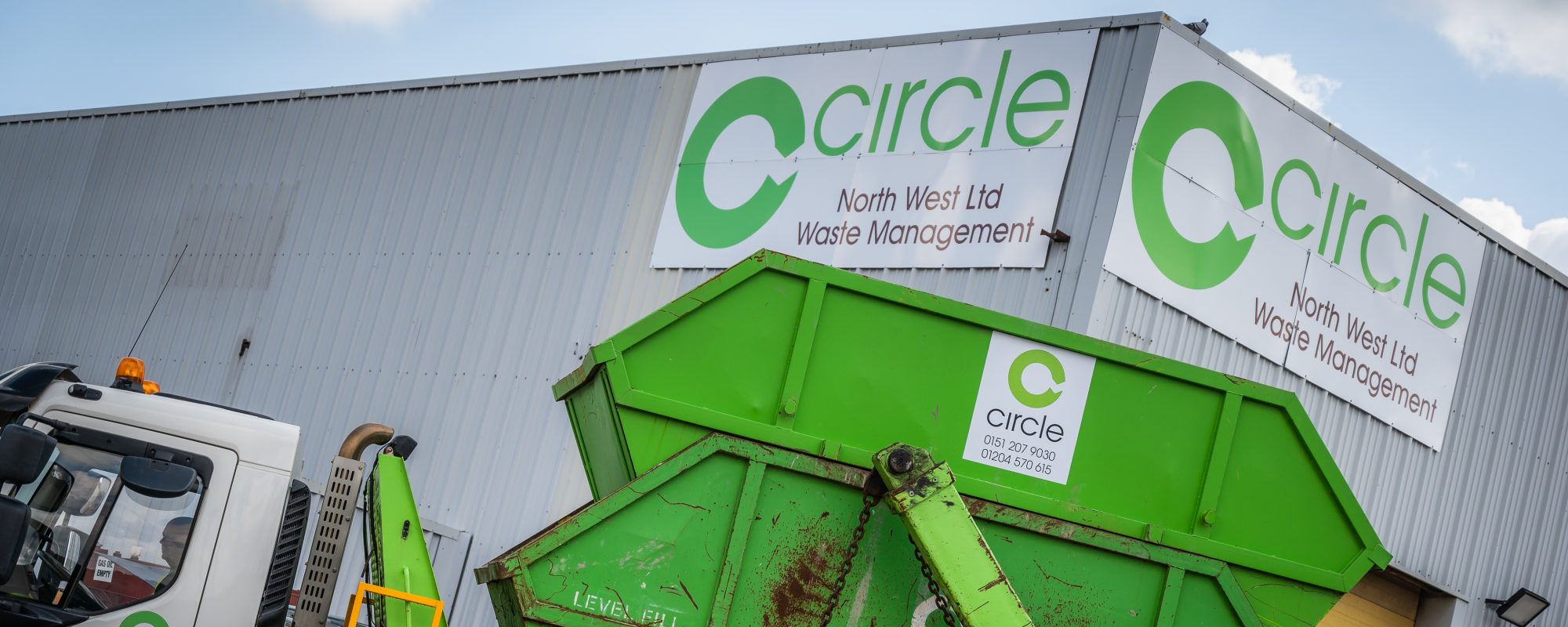
Waste management and recycling plan an important part in the Corporate Responsibility policies of housing associations. The Seddon Group has been able to deliver significant benefits by establishing its own in-house waste and recycling facilities. The Circle Liverpool scheme, for example, was borne out of a partnership with two housing associations: The Riverside Group and Plus Dane Group. All clients receive a monthly report with a detailed analysis of waste processed.